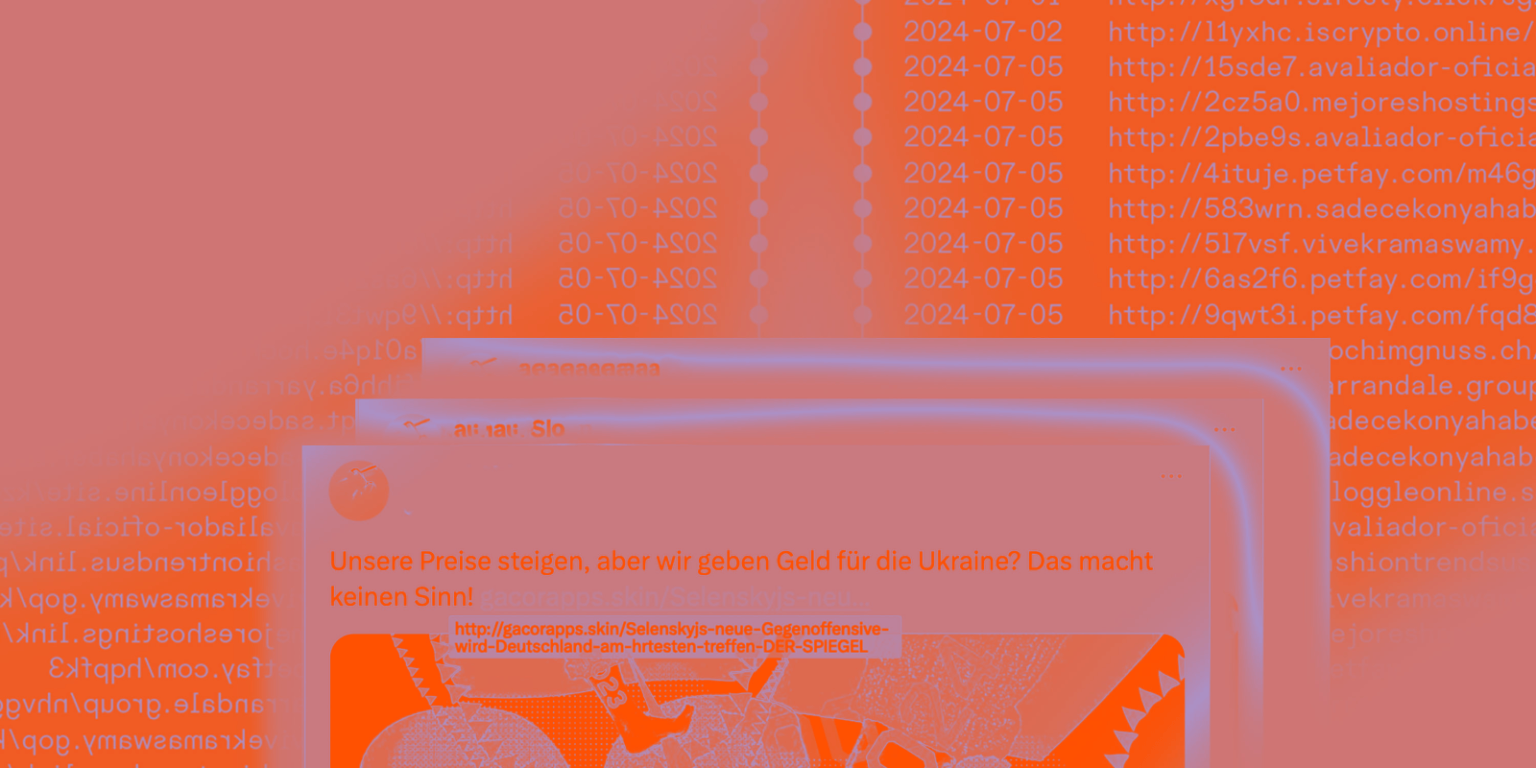
Disinformation poses an increasing challenge for democratic societies. It spreads across all platforms and languages. In Germany, members of Russian- and Turkish-speaking communities often consume content in Russian or Turkish in addition to German. While their multilingualism opens opportunities for diversity, it can also be deliberately exploited by actors spreading manipulative narratives within these information spaces to drive social polarization. Existing AI systems for automatic detection of disinformation are at their limits here, as they have so far been unable to adequately capture cultural and linguistic nuance.
The project draws on the partners’ interdisciplinary expertise to develop cross-linguistic social media monitoring on Telegram, YouTube, and Tiktok; an AI-supported analysis pipeline for narrative detection; and a disinformation knowledge graph to visualize the links between topics, actors, and campaigns. The analyses developed throughout the project will be incorporated into public reports, alerts, and educational resources. In the long term, this infrastructure is intended to be transferable to other languages. In an era of increasing polarization, this project opens new opportunities for the early detection of disinformation and the targeted strengthening of democratic spaces for debate.